




First-Time Superyacht Charter | What to Expect
A first superyacht charter sits apart from conventional luxury travel. Privacy rivals a private estate; the movement between destinations happens without the usual friction of airports, check-ins, or public spaces. For first-time charter guests, the process can feel opaque at first — yacht selection, operational costs, onboard etiquette, the rhythm of life at sea. This guide breaks down what the experience actually involves, how charters are structured, what is included, and why the right planning changes the entire tone of the trip.
Why a First Superyacht Charter Feels Different
A superyacht operates outside the structure of traditional hospitality. Even exceptional hotels and private villas remain tied to fixed locations, shared environments, and established routines. A yacht does not.
Privacy is the immediate distinction. There are no public corridors, crowded pools, or passing guests. Days unfold offshore, between quiet anchorages, private marinas, and coastlines beyond the usual circuit. Even in high-profile destinations, the experience remains insulated from the surrounding scene.
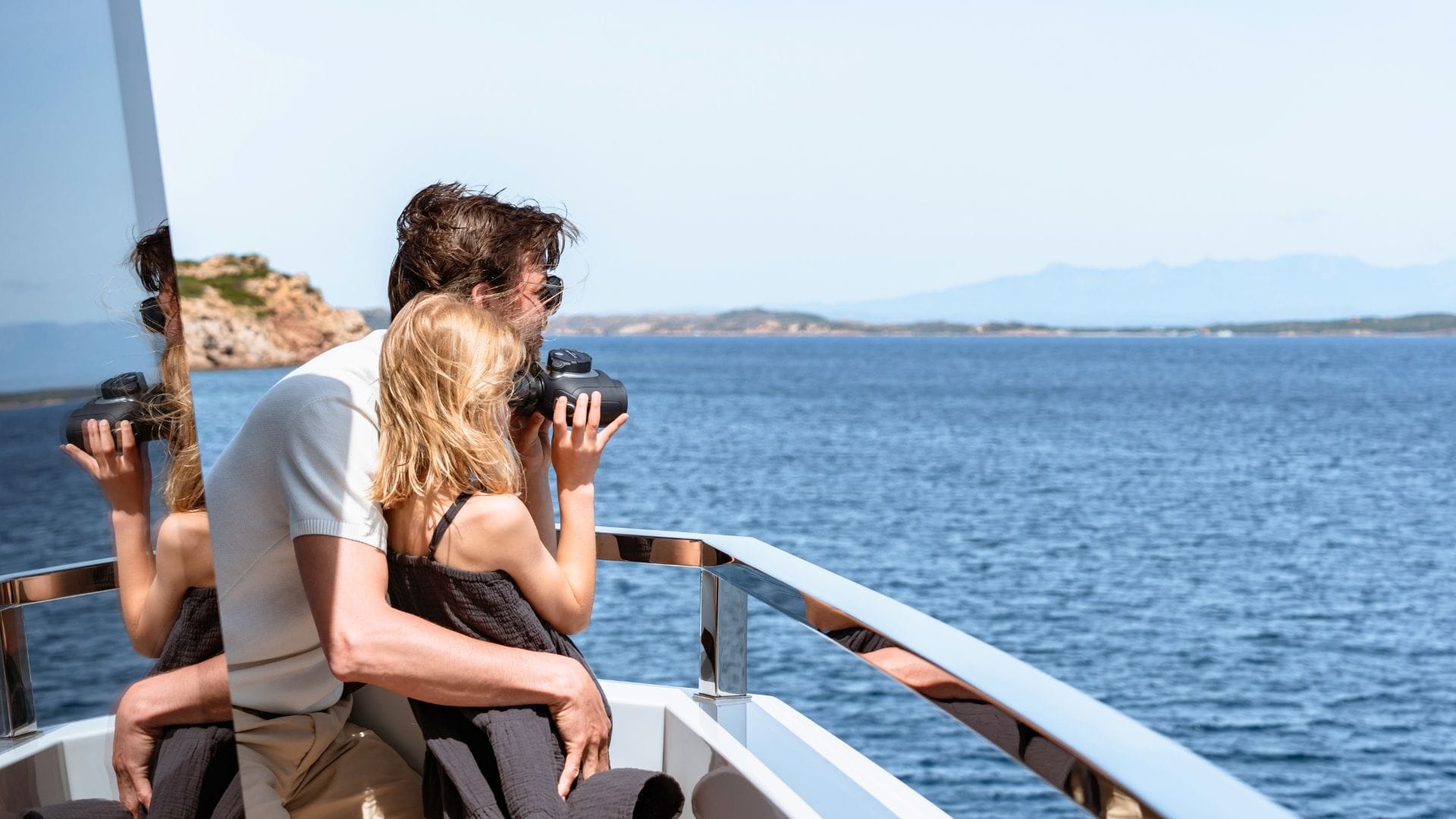
Freedom changes the pace entirely. The itinerary moves with the guests rather than the other way around. A single week may pass between beach clubs, island anchorages, old coastal ports, diving spots, and long dinners ashore, all without the disruption of repacking or transit logistics.
Control is another defining difference. Schedules remain fluid. Routes shift with the weather, lunches stretch into late afternoons, and plans evolve naturally once onboard.
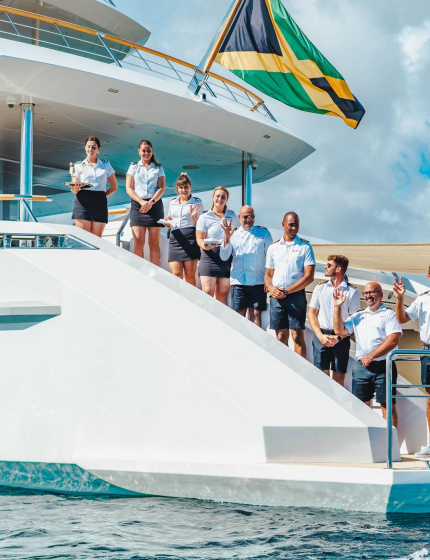
Service follows the same philosophy. High crew-to-guest ratios create an atmosphere that feels attentive without becoming visible. Preferences are absorbed quickly. By the second day, much of the yacht already runs on instinct.
What to Expect from the Superyacht Experience
The experience onboard is built around discretion, timing, and personalization. Most of what happens is barely noticed.
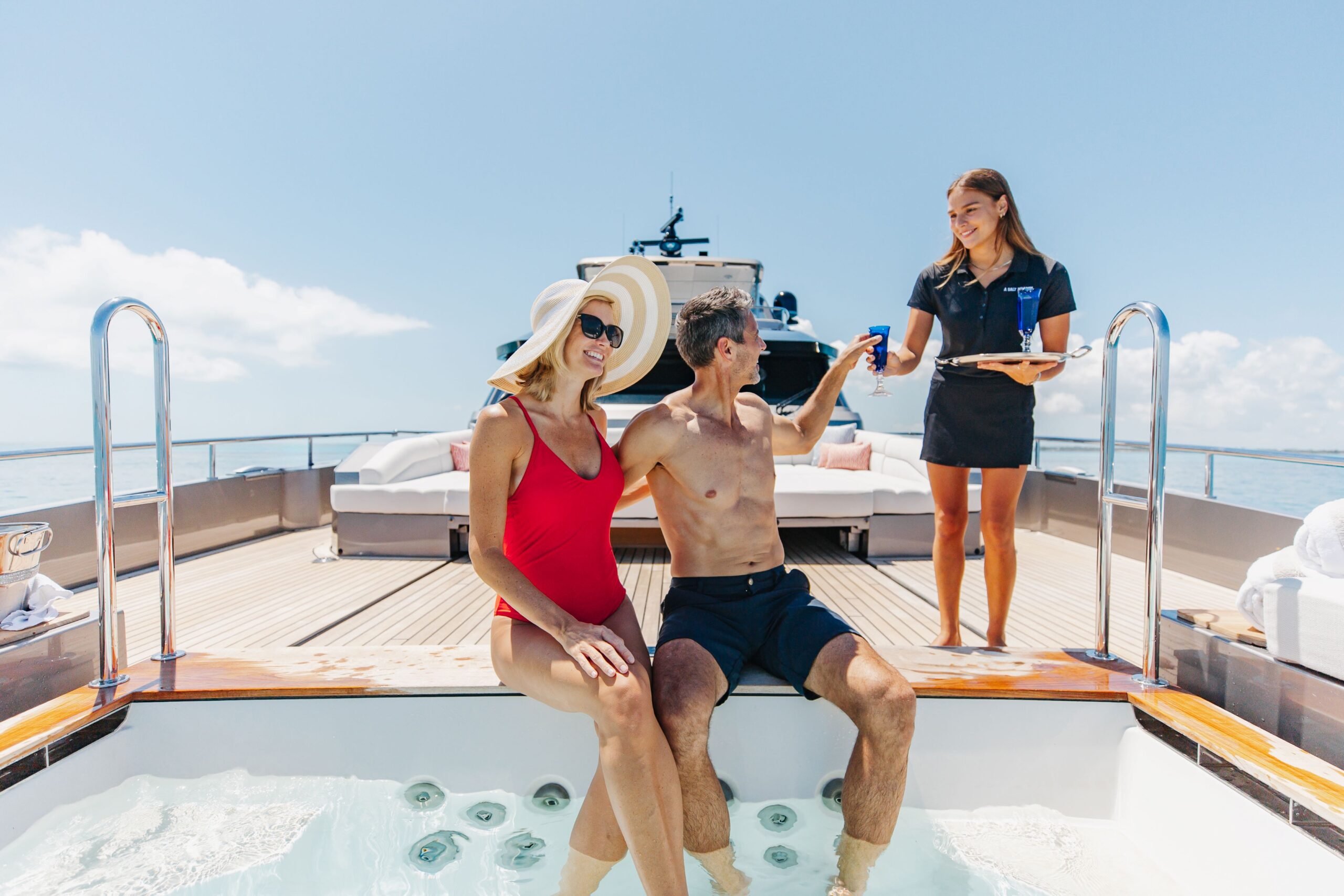
Service remains highly present yet deliberately quiet. Cabins are refreshed continuously, meals appear around the rhythm of the day, and transitions between anchorages, shore excursions, and evenings onboard happen without interruption.
Detail defines much of the experience. Wine preferences, wellness routines, favorite flowers, diving equipment, specific ingredients, sleeping arrangements — most of it is arranged before embarkation. The environment settles into something deeply individual within hours.
Flexibility shapes the rest. A planned lunch stop becomes an overnight anchorage. An isolated cove replaces a marina reservation. Some of the strongest moments onboard are usually unplanned.
Dining also surprises many first-time charter guests. Menus shift daily around mood, location, and pace. One evening may lean formal with wine pairings and multi-course service; the next ends barefoot on deck with late-night comfort food after a swim.
Behind it all, the crew manages the operational side continuously — berth reservations, fuel coordination, restaurant access, transfers, water sports, customs formalities. The logistics stay invisible. That is part of the point.
How the Charter Process Works
From the outside, chartering appears complicated. In practice, the structure is relatively straightforward when handled correctly.
Initial consultation
The process begins with a conversation around the shape of the charter: destination, timing, guest count, budget, preferred atmosphere, onboard priorities, and the overall style of travel expected.
Defining group size, dates, and destination
Guest composition influences nearly everything. Families, couples, and corporate groups require different layouts, crew dynamics, and onboard pacing. Dates and cruising regions also affect availability, weather windows, and pricing.
Yacht shortlist
Once the brief is defined, a curated shortlist follows. Comparisons usually focus less on appearance and more on layout, crew reputation, operational history, amenities, and how the yacht actually lives underway.
Itinerary planning
After selection, the itinerary begins to take shape around cruising distances, marina access, dining preferences, events, and the desired pace onboard. The strongest itineraries leave room for adjustments along the way.
Contracting and deposit
Contracts and deposits finalize the booking. Agreements outline payment structure, cancellation terms, operational conditions, and charter details.
Pre-arrival preferences
Before embarkation, preference sheets cover everything from dietary restrictions and wine selections to celebrations, wellness requests, sleeping preferences, and water sports interests.
Boarding day
Embarkation is usually quiet and efficient. After a short safety briefing and introduction to the itinerary, the transition into life onboard happens quickly.
How to Choose the Right Yacht
The right yacht rarely comes down to size alone. The best charters happen when the yacht aligns naturally with the group itself.
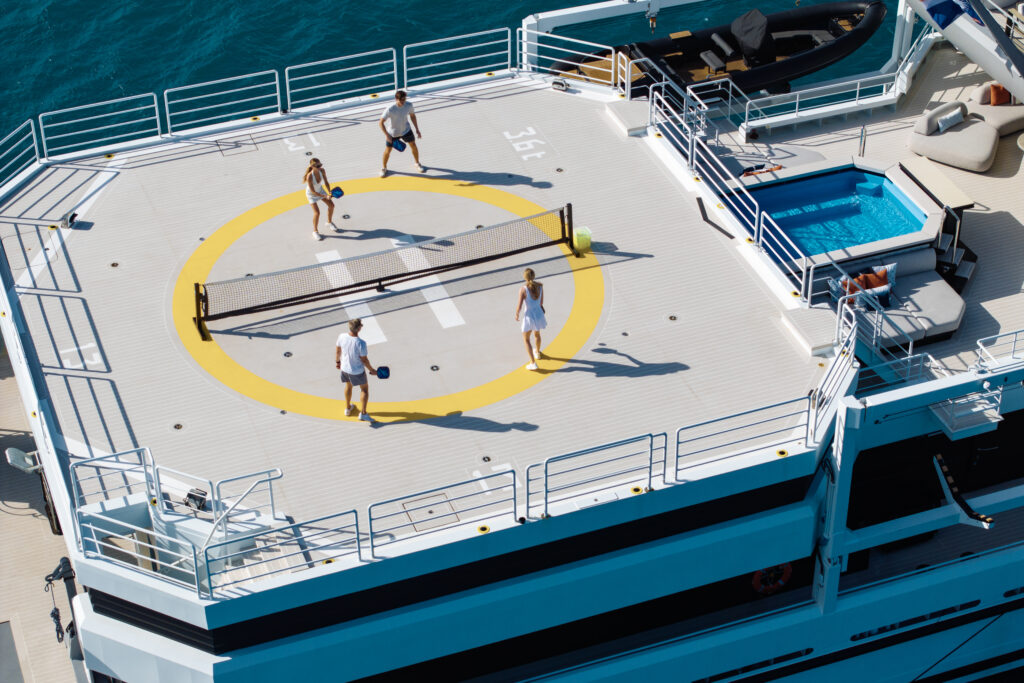
Layout often matters more than length. Some yachts revolve around outdoor living and social entertaining; others lean toward wellness, family life, beach club access, or long-range cruising autonomy. Deck flow changes the experience considerably.
Crew quality carries equal weight. A strong crew shapes the atmosphere of the entire charter through timing, adaptability, discretion, and local knowledge.
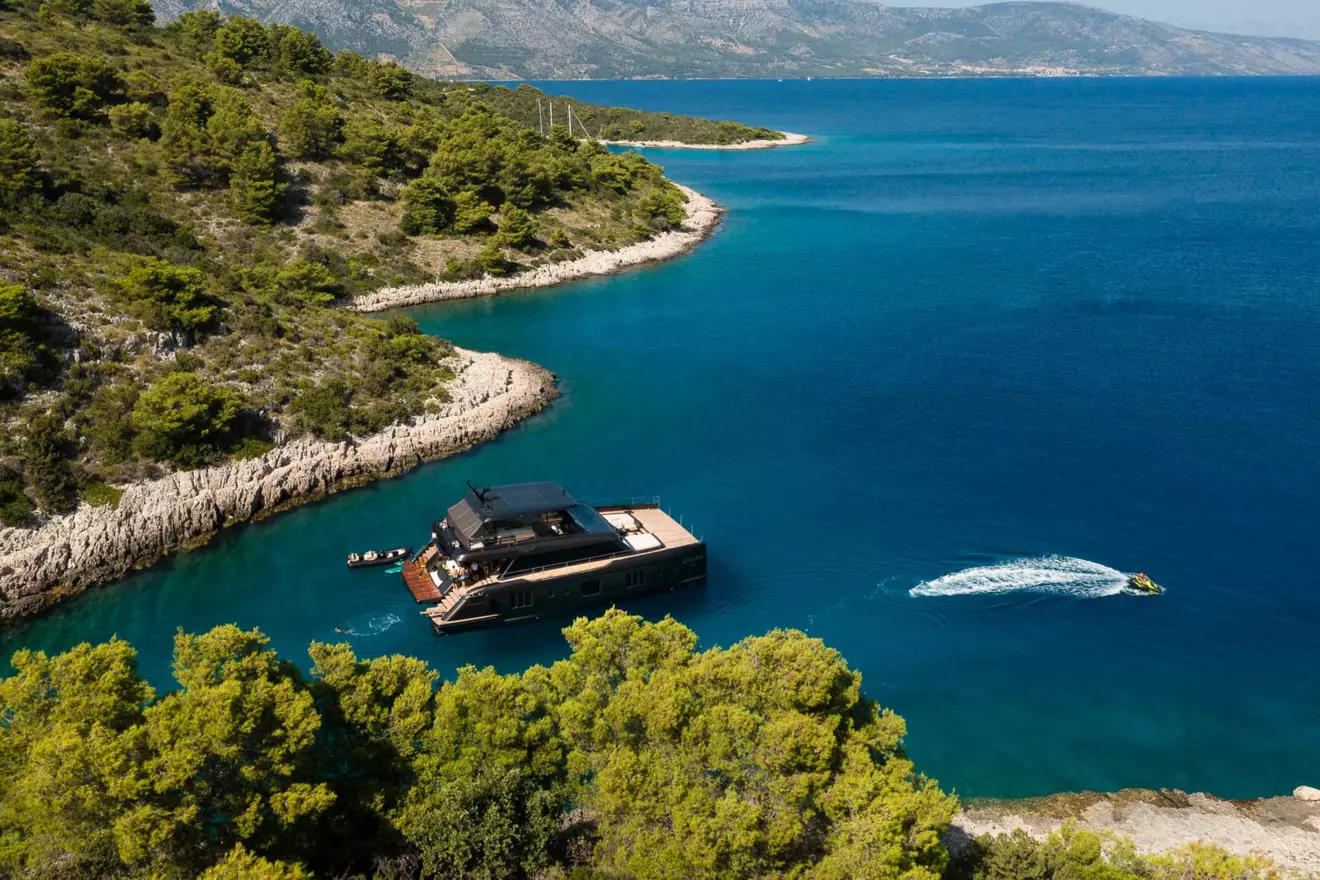
Cruising regions matters too. Certain yachts suit island-hopping itineraries better than open-water passages or shallow anchorages.
First-time charter guests usually benefit from practicality over headline features. The yachts that photograph best are not always the ones that live best.
What Is Included in the Charter
Contact a Yacht Hunter consultant to learn exactly what’s included in your charter, from onboard service and dining to water toys, itineraries, and additional expenses
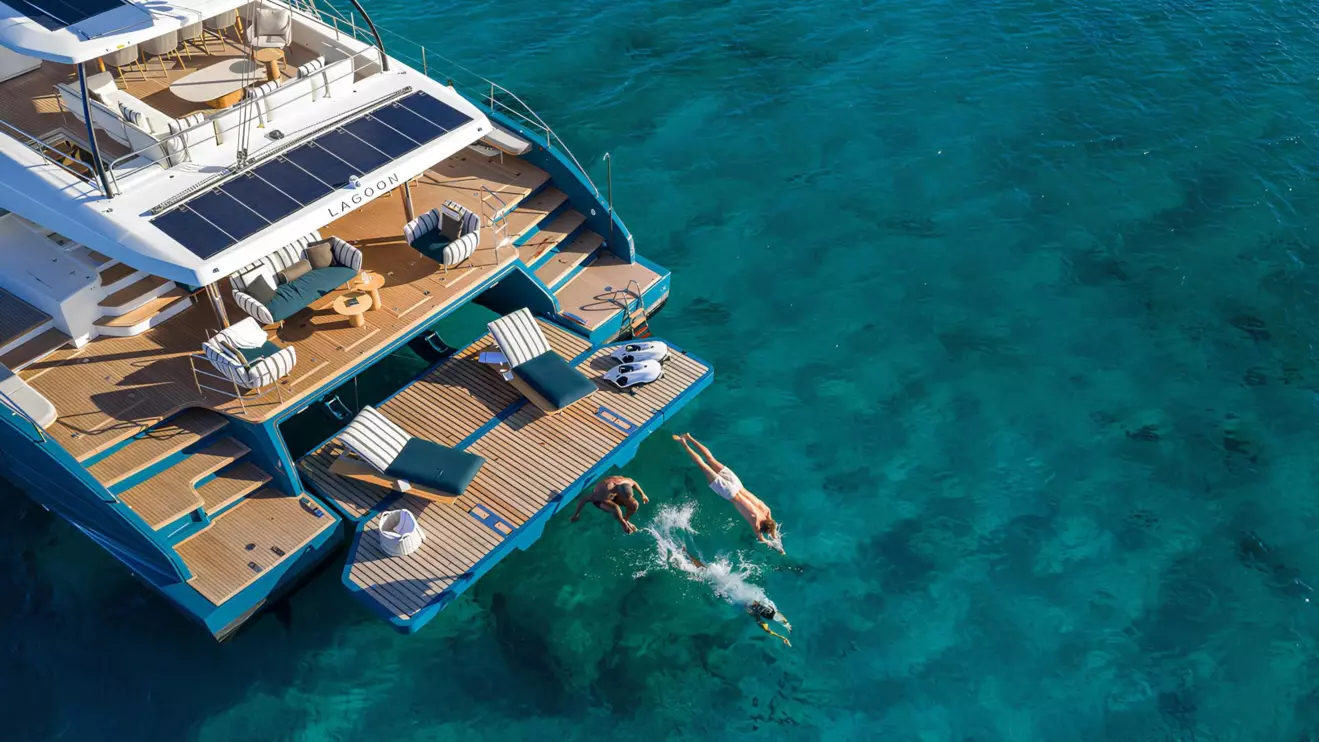
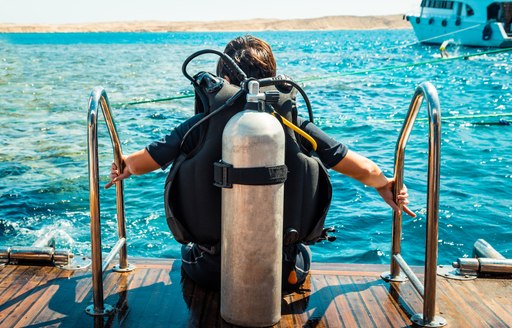
Most charters include the yacht, professional crew, and standard onboard equipment. Crew operations cover navigation, engineering, housekeeping, dining service, maintenance, and guest support throughout the voyage. Tenders, water toys, gyms, entertainment systems, and general amenities are typically part of the charter structure. Depending on the yacht, additional services such as diving instruction, massage therapy, or wellness specialists may also be arranged onboard.
Operational expenses, however, are usually handled separately through the APA structure.
Understanding Costs and Extras
One of the more common misconceptions among first-time charter clients is assuming the charter fee reflects the total cost of the trip.
The APA — Advance Provisioning Allowance — typically covers fuel, food and beverages, marina fees, local taxes, communications, and additional requests throughout the charter. Remaining funds are returned at the end; excess spending is documented transparently.
Fuel costs vary significantly depending on itinerary length, Cruising Speed, and yacht size. Crew gratuities also remain standard practice within the charter industry and are generally calculated as a percentage of the base charter fee.
Understanding these variables early keeps the financial side of the experience clear from the outset.
Privacy and Discretion on Board
Privacy remains one of the strongest reasons guests return to yachting. Professional crews operate with a high level of confidentiality. Guest schedules, conversations, movements, and personal routines remain protected as part of standard onboard culture. Many itineraries also prioritize secluded anchorages, private berths, and destinations removed from dense tourism.
Unlike hotels or resorts, access remains controlled entirely by the guests themselves. The yacht decides the distance from the outside world.
Etiquette and Onboard Expectations
Etiquette onboard is generally understated, though a few standards shape the atmosphere. Respect toward the crew and yacht environment matters. Most operations run quietly behind the scenes, often across very long working hours. Many yachts also maintain barefoot policies indoors and on deck to preserve surfaces. Communication helps considerably. Crews are highly adaptable, but preferences shared early allow the experience to unfold smoothly. Timing matters as well, particularly for transfers, reservations, and departures from marinas.
Common Mistakes First-Time Guests Make
Overplanning is one of the most common mistakes. Trying to cover too much coastline often removes the sense of ease that defines life onboard. Another frequent issue is choosing a yacht based entirely on appearance rather than layout, crew quality, or suitability for the group itself. Some guests also underestimate operational expenses or misunderstand the APA structure. Packing tends to be excessive on first charters. Life onboard is usually far more relaxed than expected, and storage remains intentionally efficient. Others arrive expecting the structure of a hotel. Yachting works differently. The experience improves considerably once the pace slows down.
How a Charter Consultant Improves the Experience
An experienced Yacht Hunter consultant simplifies nearly every stage of the process, particularly for first-time guests.
The role extends well beyond presenting yachts. A strong consultant understands how to align vessel, crew, destination, and onboard atmosphere with the actual dynamics of the group.
They also manage negotiations, contracts, itinerary development, operational logistics, preference coordination, and communication before embarkation.
During the charter itself, consultants often remain quietly involved behind the scenes — resolving issues, handling changes, securing reservations, and managing last-minute requests when necessary.
For first-time charter clients, that layer of guidance usually changes the experience entirely. What appears complex from the outside becomes remarkably fluid once underway.
Contact a Yacht Hunter consultant to start planning your first charter with expert guidance tailored to your group, destination, and travel style.


