


10 Common Summer Yacht Charter Mistakes That Affect Cost, Comfort & Planning
A summer yacht charter is often planned as a once‑in‑a‑year escape, yet many trips quietly drift away from the original vision in terms of cost, comfort, or both. Weekly rates may be confirmed early, but later decisions about dates, region, yacht size, and itinerary can add layers of extra expenses through fuel, port fees, taxes, and lifestyle choices on board. High‑season demand compresses availability and pushes guests toward compromises they did not intend to make, from accepting the “wrong” yacht to racing between ports simply to keep up with a crowded plan. This article highlights ten subtle planning mistakes that regularly affect real charters, and shows how thoughtful preparation keeps the experience smooth, relaxed, and truly memorable.
Why Yacht Charters Go Over Budget
Most cost overruns come not from “bad behavior” on board but from early planning decisions: dates, region, yacht choice, and pace of the itinerary. In summer, high demand, congested marinas, and tight turnaround windows magnify every small miscalculation in timing or routing. The good news is that most of these factors can be anticipated and managed well in advance with realistic expectations and professional guidance from Yacht Hunter specialists.
Mistake #1: Booking Too Late for Peak Summer Weeks
Yes, last-minute deals with eyebrow-raising discounts do pop up occasionally—but almost never on popular boats. Even with specific needs (a particular port, dates, duration, or guest requirements like children), banking on a steal at the eleventh hour is rarely worth it. Peak weeks in July and August book out months ahead, especially for in-demand yachts and family-friendly layouts. Last-minute reservations leave slimmer pickings: yachts often exceed initial budget expectations, with less flexibility on embarkation/disembarkation ports. That rigidity hikes fuel costs and port fees.
Mistake #2: Choosing the Wrong Yacht Size for the Group
Selecting a yacht that is too large means paying for unused cabins, extra crew, and higher running costs without any real benefit to comfort. Going too small can compromise privacy, storage, and service levels, and it may strain both guests and crew over a week-long cruise. Larger yachts may also face stricter draft and length limits in smaller marinas, resulting in more time at anchor and potentially higher tender and shore‑transfer expenses.
Mistake #3: Underestimating the Impact of the Itinerary on Fuel Costs
Trying to “see it all” in one week often results in long daily passages and a surprisingly high fuel invoice at the end of the charter. A dense itinerary means guests spend more time in transit than in anchorages, arriving tired and with little energy to enjoy the destination once they get there. A slower, well‑paced route with fewer open‑sea crossings typically reduces fuel use and leaves more time for swimming, exploring ashore, and water toys.
Mistake #4: Selecting the Wrong Region for the Travel Dates
Each cruising area has its own seasonal “sweet spot” for weather, sea conditions, and crowd levels, which does not always match school holidays. An unfavorable seasonal choice may bring strong winds, rain, or swell, limiting safe cruising and anchoring. In high‑season hotspots, marina congestion and premium port fees can significantly increase total trip cost, even if the weekly charter rate is fixed.
Mistake #5: Ignoring Local Taxes, VAT & APA Structures
An experienced Yacht Hunter consultant will guide you through all the key details — from yacht selection and itinerary options to VAT, APA, and port‑related nuances — well in advance of your charter.
The same itinerary starting in different countries can be subject to very different VAT rates, which directly affects the overall charter bill. Most Mediterranean charters follow a structure where the base rate is separate from an Advance Provisioning Allowance (APA), typically around 25–40% of the fee, covering fuel, food, drinks, and incidentals. Because VAT, port charges, and APA are not included in the base rate, the “headline” price rarely reflects the final amount, which is why a knowledgeable broker will outline all expected components before any contract is signed.
Mistake #6: Overlooking Port Availability & Event Calendars
Major events such as Formula 1 Grands Prix, film festivals, or regattas can fill marinas weeks or months ahead, even when attendance at these events is not part of the charter plan. If preferred berths are not available, the yacht may need to use more distant ports or anchor offshore and rely on tenders, adding fuel and logistical complexity. Late awareness of event calendars often forces last‑minute route changes, which can affect both the guest experience and the final charter statement.
Mistake #7: Prioritizing Yacht Age Over Actual Charter Setup
A launch year is only one parameter; a slightly older yacht with a recent refit can offer fresher interiors and better functionality than a newer but minimally equipped vessel. The quality of the crew, the layout, stabilization systems, and water‑toy selection usually have a greater impact on comfort than whether the yacht is one or three years old. Yacht Hunter brokers can highlight refitted yachts with strong charter records and professional crews that may deliver a more polished experience than a brand‑new, untested boat.
Mistake #8: Misjudging Onboard Lifestyle & Consumption

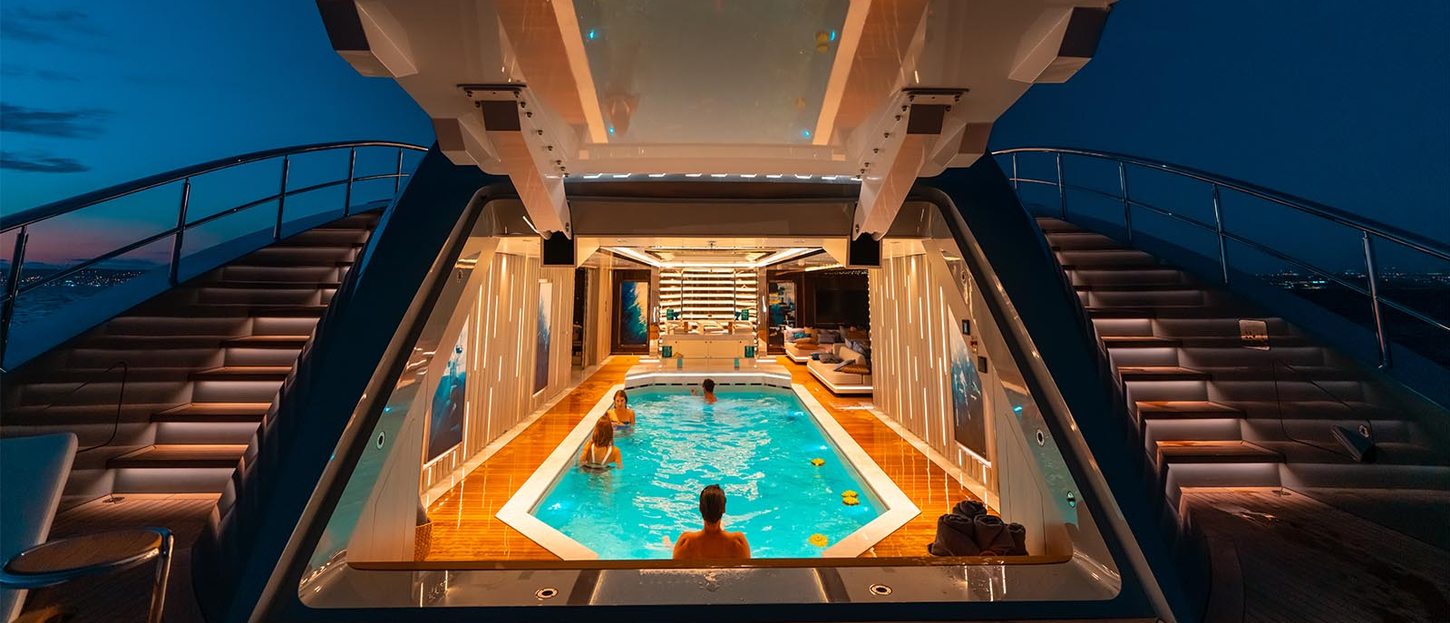

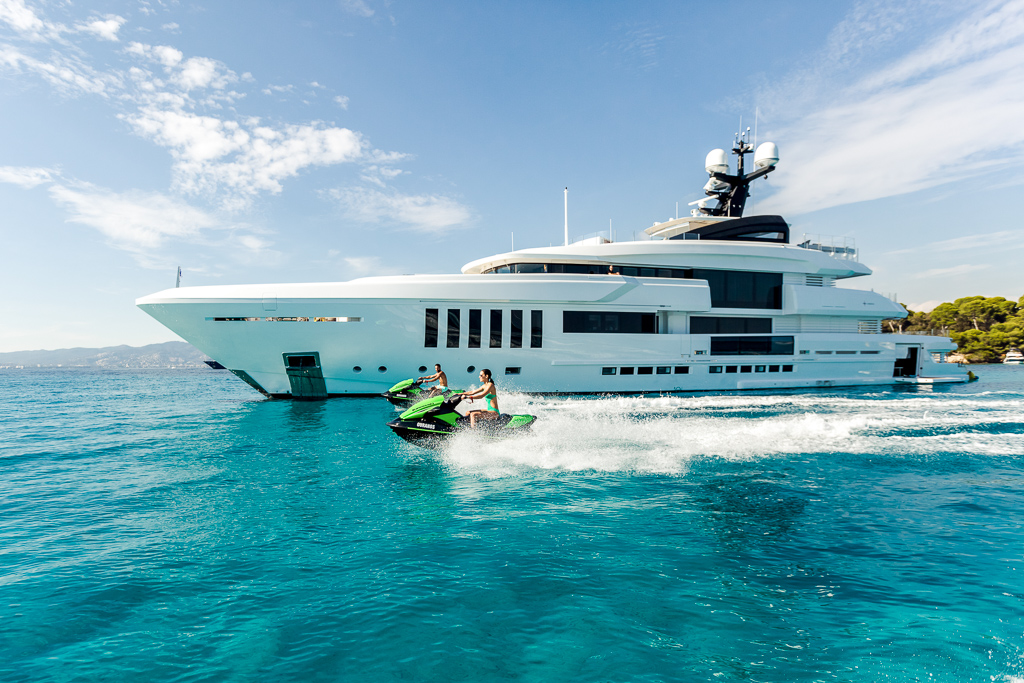
Guest preferences strongly influence how quickly the APA is spent: premium spirits, fine wines, and gourmet delicacies can move the needle within a few days. Clear communication about food, beverage, and entertainment habits helps the captain and chef plan provisioning so that expectations and APA levels are aligned. High‑energy toys such as jet skis, tenders frequently used at speed, and organized diving can also add noticeable costs for fuel, guides, or local operators.
Mistake #9: Not Aligning the Charter with Guest Profiles
A family‑oriented cruise, a corporate retreat, and a celebration with late‑night parties all require different yacht layouts, crew styles, and daily rhythms. For example, young children may call for additional crew attention, improved safety measures, and more flexible meal and nap times. When the yacht choice and schedule fit the guest mix, the atmosphere on board feels effortless, and the crew can anticipate needs rather than constantly adjusting.
Mistake #10: Treating the Broker as a Booking Agent, Not an Advisor
Some brokers simply match dates and yachts, while advisory‑driven brokers help shape the route, set realistic budgets, and stress‑test “what if” scenarios throughout the planning process. Experienced specialists know typical fuel profiles, local regulations, tax environments, and seasonal patterns and can identify where hidden costs might appear. By involving a Yacht Hunter broker early and treating them as a strategic partner, the risk of expensive missteps and mid‑charter surprises is dramatically reduced.
Smart Planning Is the Real Luxury
The most rewarding charters are rarely the most complicated ones; they are the trips where timing, yacht, region, and budget have been thoughtfully aligned in advance. Working closely with a dedicated yacht charter broker makes it possible to translate individual preferences into a realistic plan and route, tailored to the specific group and travel dates. With the key decisions made intelligently before anyone steps on board, it becomes easier to focus on what matters most: time on the water, in good company, with everything running smoothly in the background.
The ideal next charter is only a step away. Get in touch with Yacht Hunter consultants to align yacht choice, timing, region, and budget—and receive a tailored plan that keeps the whole experience smooth from first enquiry to final day on board.